
That Outdoor Space You’ve Been Meaning to Fix
You know that feeling when you look out at your backyard and see that old concrete slab or patchy grass where you’ve been meaning to create a proper outdoor entertaining area for years? We see it all the time across the Central Coast. Families in Terrigal, Avoca Beach, Erina, and Wamberal with beautiful homes but outdoor spaces that just aren’t living up to the coastal lifestyle they moved here for.
Why Central Coast Patio Paving is Different
Here’s the thing about patio paving on the Central Coast – it’s not just about laying down some pavers and calling it done. The sandy soil, salt air, and those heavy downpours we get mean you need someone who understands how to build a patio that’ll actually last. We’ve been creating outdoor entertaining areas across the Central Coast for years now, and we’ve learned what works in our specific conditions and what doesn’t.
More Than Just a Flat Surface
Whether you’re planning to host Christmas lunch under a pergola, need somewhere for the kids to ride their bikes that isn’t your driveway, or you’re finally ready to create that outdoor kitchen you’ve been dreaming about – a properly paved patio is where it all starts. And we’re talking about more than just a flat surface here. We’re talking about creating an outdoor room that extends your living space and actually gets used year-round.
Choosing the Right Pavers for Your Central Coast Patio
Concrete Pavers – The Workhorse Option
Concrete pavers are affordable, durable, and versatile in colour, size, and shape. They can replicate natural stone patterns, cobblestone, or modern geometric designs. Factory-sealed options resist stains and UV fading, which is essential for Central Coast sun exposure. Individual pavers can be replaced if damaged, saving you from redoing an entire patio. They’re ideal for large patios, driveways, and entertainment areas where budget and functionality matter.
Travertine – That Mediterranean Feel
Travertine offers a high-end, resort-style look and stays cool underfoot, making it perfect for pool surrounds and sunny patios. Its natural texture provides slip resistance, and it blends beautifully with coastal landscapes. Travertine requires sealing to protect against salt air and moisture but delivers long-lasting warm tones that enhance outdoor aesthetics. Popular in luxury coastal areas, it pairs well with timber decking, outdoor kitchens, and garden landscaping.
Natural Stone – Character That Lasts
Sandstone, bluestone, and granite provide a unique, timeless appearance. Each piece is naturally distinct, adding depth and character to patios. Bluestone is modern, dense, low-absorption, and keeps a rich dark colour. Sandstone offers a classic Australian feel and weathers gracefully. Granite is extremely durable and ideal for high-traffic areas. Natural stone is perfect for homeowners looking for long-term investment, low maintenance, and a natural, sophisticated outdoor look.
Porcelain Tiles – The New Kid Making Waves
Porcelain pavers are thin, lightweight, and available in large formats like 600x600mm or 800x800mm, giving a seamless, spacious look. They’re highly resistant to fading, staining, and salt air, making them perfect for coastal patios. Porcelain can mimic timber, stone, or concrete without the maintenance, ideal for modern, minimalistic designs. Installation requires a strong, level base, but the aesthetic payoff is high, especially when integrating indoor-outdoor living spaces.
Brick Pavers – Classic Never Goes Out of Style
Brick pavers are timeless, slip-resistant, and low maintenance. Clay bricks are fired at high temperatures, making them harder than concrete, and they develop a charming patina with age. Bricks suit heritage-style homes, modern homes, and create European courtyard vibes. Perfect for driveways, patios, and outdoor entertaining areas, brick pavers are durable and blend seamlessly with existing brick structures, offering cohesion and long-term value.
Design Styles That Work on the Central Coast
Modern Minimalist Patios: Sleek, uncluttered designs with clean lines, large-format pavers, and a simple colour palette (charcoal or off-white). Minimal borders and a single paver type let furniture and landscaping stand out, ideal for new builds and renovations.
Rustic Outdoor Spaces: Natural stone with irregular edges, warm earthy tones, and timber elements create a relaxed, bushland-inspired feel. Random patterns, varied stone sizes, and gaps for groundcover plants add an organic touch, often paired with timber pergolas and established gardens.
Mediterranean Vibes: Terracotta tones, cream travertine, and decorative tile inserts create a holiday resort aesthetic. Often combined with rendered walls, climbing vines, and outdoor fireplaces, this style suits upmarket coastal homes in areas like Terrigal and Wamberal.
Coastal Contemporary Design: Light-coloured, textured pavers ideal for pools and salt air exposure. Soft, modern style that reflects heat, low-maintenance, and fits the beach lifestyle.
Classic Pattern Work: Herringbone, basketweave, or circular patterns around features like fire pits. Focused on craftsmanship, suitable for both historic and contemporary homes, offering unique, detailed, and timeless appeal.

Getting the Size Right for Your Patio

Planning for Furniture and People
Ensure the patio fits actual furniture and use. A dining table for eight needs around 4m x 4m, with BBQs or extra seating requiring 5m x 5m. Testing furniture placement before designing helps avoid undersized spaces.

Traffic Flow and Movement
Allow at least 1m clearance around dining areas and 1.2–1.5m for main walkways. Consider movement for parties or connections to pools and outdoor kitchens to prevent bottlenecks.

The BBQ and Outdoor Kitchen Zone
Built-in BBQs need at least 600mm of workspace on each side; full outdoor kitchens require 3–4m of bench space plus room for people. Proper placement avoids smoke issues and ensures practical cooking areas.

Space for Fire Pits and Features
Fire pits need at least 2m diameter for seating and safety. Plan space for water features, planters, or lounges, using scale drawings to visualize the layout.
We can do many things for your backyard including Patio paving landscaping lawn replacement retaining walls
Base Preparation - The Part You Don't See But Really Matters
- Excavation and What Comes Out
On the Central Coast, patios usually require digging 200–300mm. Soil, old concrete, roots, and rocks are removed and properly disposed of before building the base. Sandy soils are easier to dig but need careful compaction; clay requires special treatment. - Compaction – Why We Use Plate Compactors
The base is compacted in layers using mechanical plate compactors to create a dense, stable foundation. Road base is added in 75–100mm layers and compacted thoroughly. Skipping this step leads to sinking or shifting pavers. - Drainage Layers and How Water Moves
Drainage layers use graded aggregates—larger at the bottom, finer on top—to let water flow away and keep the paving surface stable. Proper drainage prevents pooling and shifting during heavy Central Coast rain. - Creating Fall for Water Runoff
Patios are sloped (typically 1:100) away from the house to prevent water damage and puddles. Laser levels ensure consistent fall, directing water to garden beds, drains, or stormwater systems. - Why We Don’t Cut Corners on Base Work
Base preparation is critical. Skipping it leads to patios that sink or shift within years. Though time-consuming and less visible, a solid base ensures your patio lasts decades rather than needing repairs after a few years.
Selecting Materials for Central Coast Conditions
Slip Resistance – Not Negotiable Near Pools: Outdoor pavers must have enough texture to prevent slipping when wet. P4 or P5 rated pavers provide a safe grip without being uncomfortable barefoot.
Heat Reflection and Summer Comfort: Light-coloured pavers reflect heat and stay cooler underfoot, unlike dark pavers that can exceed 60°C in summer. Shade from pergolas or trees also helps keep patios usable.
Durability for Coastal Weather: Salt air and coastal conditions require dense, moisture-resistant materials. Porcelain and dense natural stones like bluestone withstand salt, while low-quality concrete can deteriorate.
Stain Resistance for Real Life: Patios face spills from wine, BBQ grease, and leaves. Sealing porous materials like sandstone and travertine helps prevent permanent stains and makes cleaning easier.
Colour Fastness Over Time: UV exposure can fade some pavers. Through-coloured concrete, natural stone, porcelain, and clay bricks maintain colour over time, while cheap surface-coloured pavers may fade.
Frost Resistance (Yes, Even Here): Even mild Central Coast frosts can damage water-absorbent pavers. Quality Australian-rated pavers resist spalling, while some imported terracotta and lower-grade concrete may crack.
Connecting Your Patio to the House
Linking to Existing Living Spaces
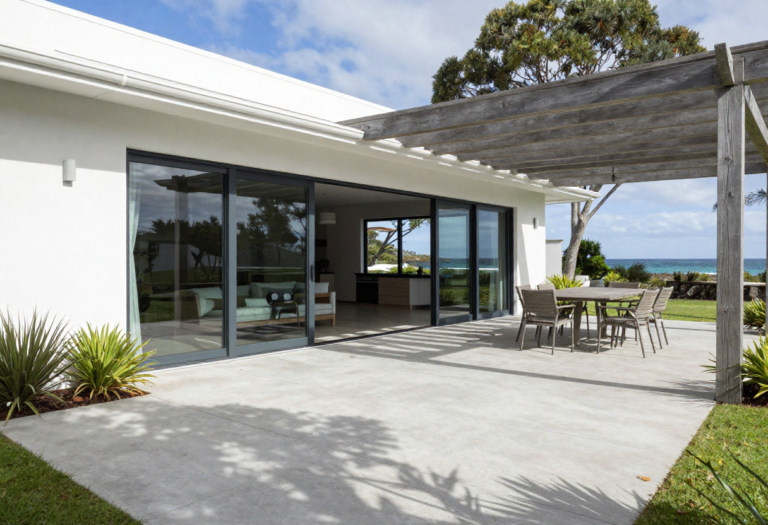
A patio should feel like an extension of your indoor areas, with smooth sightlines and proper height alignment for doors and living spaces. Adjustments may include steps or level changes to create a seamless transition.
Step Transitions and Height Changes
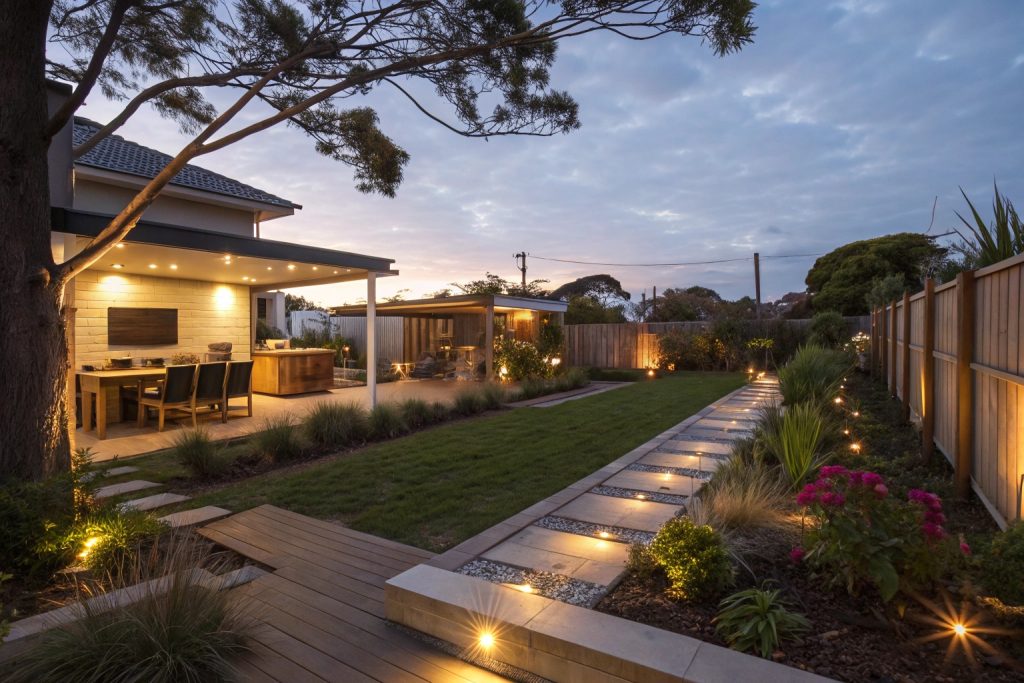
Steps are often needed between house and yard. They should be safely lit, clearly defined, and follow building codes for consistent rise and going. Wide steps can double as casual seating.
Matching or Contrasting With Home Style
Patio materials can either match or contrast with your home. Samples should be checked against the house to avoid clashing or overly uniform looks.
Creating Visual Flow
Repeating materials, aligning patio edges with windows/doors, and using patterns strategically can create a cohesive, visually pleasing connection between indoor and outdoor spaces.
Door Access and Traffic Patterns
Plan door placement and main pathways to ensure smooth movement. Avoid layouts that force people to navigate around furniture or narrow areas, making the space functional and enjoyable.

Call us at (07) 4351 4011 or …
Finishing Touches That Make the Difference
Joint Filling and Paver Locking
Filling the joints with sand or polymeric sand locks pavers in place, prevents shifting, and helps stop weeds and ants. Polymeric sand is ideal for high-traffic areas or extra stability.
Sealing Options and Protection
Sealing protects against stains, enhances colour, and makes cleaning easier. On the Central Coast, it adds protection against salt air and needs reapplication every few years.
Edging Details and Clean Transitions
Proper edging creates defined lines and prevents grass encroachment. Options include steel edging, concrete haunching, or soldier course pavers. Planning transitions between surfaces ensures a professional finish.
Plant Pockets and Softening Elements
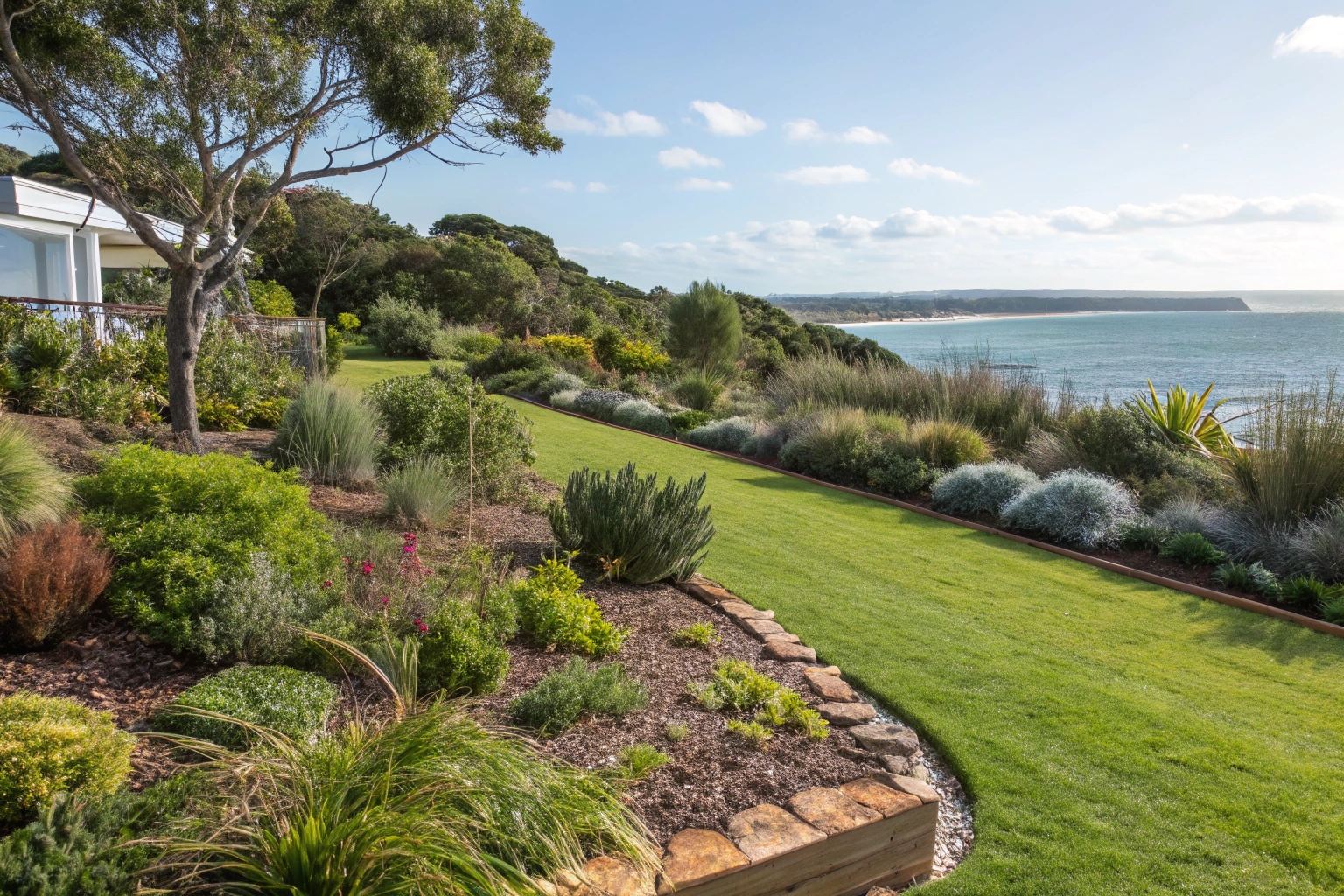
Incorporating planter beds, plant pockets, or feature trees softens hard surfaces, adds greenery, and creates a more inviting outdoor living space. Proper planning ensures soil depth, drainage, and sunlight needs are met.
Why Choose Us for Your Central Coast Patio Paving
We’ve been creating outdoor entertaining areas on the Central Coast long enough to know what works here and what doesn’t. The sandy soil, the salt air, the summer heat – we design and build for these specific conditions.
Every patio we build starts with understanding how you want to use the space. We’re not just laying pavers – we’re creating an outdoor room that matches your lifestyle. Whether that’s big family gatherings, quiet morning coffees, or finally having somewhere decent to sit outside and enjoy the coastal lifestyle you moved here for.
From design through to that final sweep of the joints, we handle everything. No subbies who might show up when they feel like it, no waiting weeks between stages. Your project gets done properly and it gets done on time.
If you’re ready to transform that sad concrete slab or unused yard space into the outdoor entertaining area you’ve been thinking about, let’s have a chat. We’ll come out, look at your space, talk about what you want to achieve, and give you a clear idea of what’s possible and what it’ll cost. No obligation, no pressure – just straight answers from people who know patio paving on the Central Coast.
FAQs About Patio Paving Central Coast
Most standard patio paving jobs take us about 5-7 days from excavation to final cleanup, depending on size and complexity. Weather can throw a spanner in the works – if we get those heavy Central Coast downpours mid-project, we’ll wait for things to dry out rather than working in mud and compromising the base. Bigger projects with outdoor kitchens, retaining walls, or complex drainage might stretch to 2-3 weeks. We’ll give you a realistic timeline upfront and keep you updated if anything changes.
For basic patio paving at ground level, you usually don’t need council approval – it’s considered exempt development. But if you’re building retaining walls over 600mm high, adding a pergola, or doing significant cut and fill work, you’ll likely need approval. Each Central Coast council (Central Coast Council covers most of the area) has slightly different requirements, and we’re familiar with what triggers the need for permits. We’ll let you know during the initial consult if your project needs approval and can handle the application process if needed.
Honestly, we work year-round on the Central Coast, but autumn and spring are ideal because the weather’s more predictable. Summer can be scorching which makes working conditions tough (and concrete sets faster in heat), while winter brings more rain that can delay projects. That said, winter bookings often mean we can fit you in sooner because it’s our quieter period. If you’re flexible on timing, booking for March-May or September-November usually means smooth sailing with minimal weather delays.
This is the question everyone wants answered upfront, and I get it, but there’s no one-size-fits-all number because every project’s different. As a rough guide, you’re looking at anywhere from $80-$150 per square metre for concrete pavers with basic patterns, up to $200-$400+ per square metre for natural stone or complex designs with multiple features. A typical 30-40sqm entertaining area usually lands somewhere between $8,000-$20,000 depending on materials and what else you’re including. We’ll give you an exact quote after seeing your space and understanding what you want – no ballpark guessing, just honest numbers based on your actual project.
Regular sweeping and occasional hosing down is honestly most of what’s needed – the salt air means you’ll want to rinse things off every few weeks to prevent buildup. Reseal natural stone or porous pavers every 2-3 years to maintain stain resistance and protect from the elements. If weeds pop up in joints, pull them out and top up the jointing sand – it happens less with polymeric sand but even that’s not completely weed-proof. The good news is quality paving with proper base work needs way less maintenance than lawns or garden beds.
Sometimes yes, sometimes no – it depends on the condition of what’s there. If your existing concrete is stable, not cracked to pieces, and at a reasonable height, we can overlay pavers on top which saves on excavation and disposal costs. But if it’s broken up, moving, or would create a trip hazard at the new height, we’re better off removing it and starting fresh. The Central Coast’s sandy soil means even old concrete can shift over time, so we’ll assess whether it’s stable enough to build on. Either way, we’ll give you the most cost-effective option that’ll actually last.