
Stone Paving Installation Services Central Coast
Want A FREE QUOTE? Click To Call Now!
Why Natural Stone Outlasts Everything Else on the Central Coast
Stone paving installation brings that natural character to your Central Coast property in ways manufactured pavers simply can’t match. While your neighbours are replacing their fading concrete pavers every decade, you’ll have sandstone or bluestone that actually gets better with age, developing that sought-after weathered patina that screams quality. The irregular surfaces and natural colour variations create outdoor spaces with personality—the kind of entertaining area where guests actually want to spend time, not just politely endure.
Stone Types That Suit Central Coast Properties
The range of natural stone available for Central Coast properties gives you options that suit any style. Honey-toned sandstone brings that warm, Australian bushland feel that complements our coastal environment perfectly. Charcoal bluestone delivers that contemporary edge, especially popular in modern Terrigal and Wamberal homes. Limestone in soft grey tones creates sophisticated pool surrounds in Avoca Beach properties. Each stone type brings different characteristics—some with natural slip resistance for pool areas, others with heat-reflecting properties for those scorching January afternoons.
What Proper Installation Actually Involves
What separates a stunning stone patio from a costly mistake comes down to installation expertise. Natural stone isn’t like clicking together manufactured pavers. Each piece has irregular dimensions, varying thicknesses, natural contours. Getting them level, stable, and properly bedded requires experience with the material—knowing which stones need mortar, which can be sand-laid, how to cut without shattering, how to create proper falls for drainage.
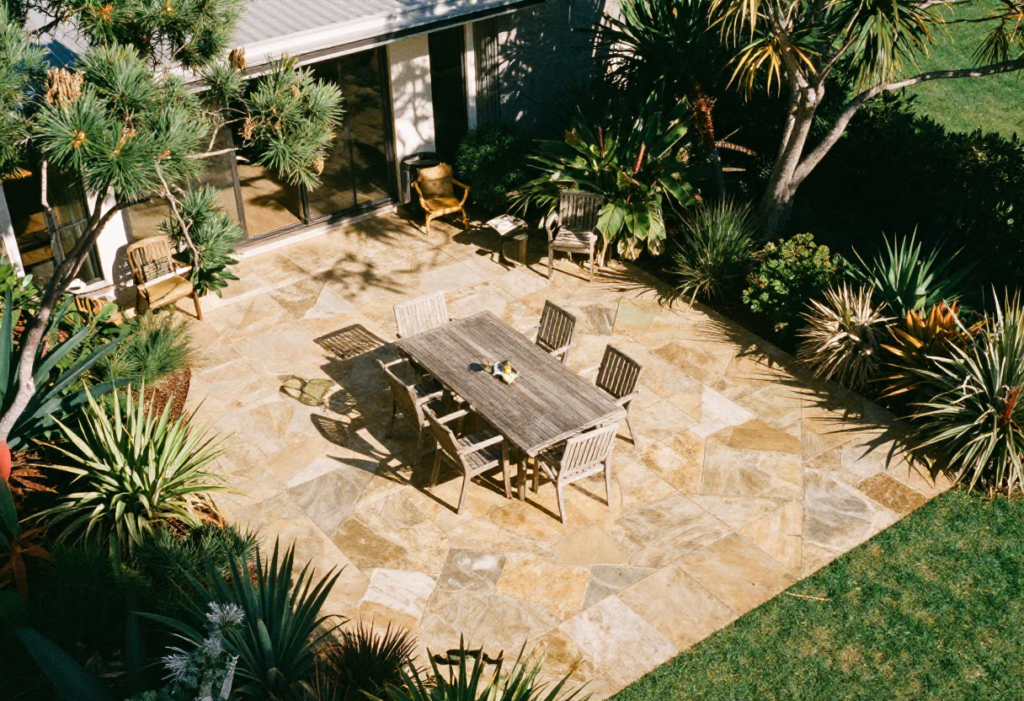
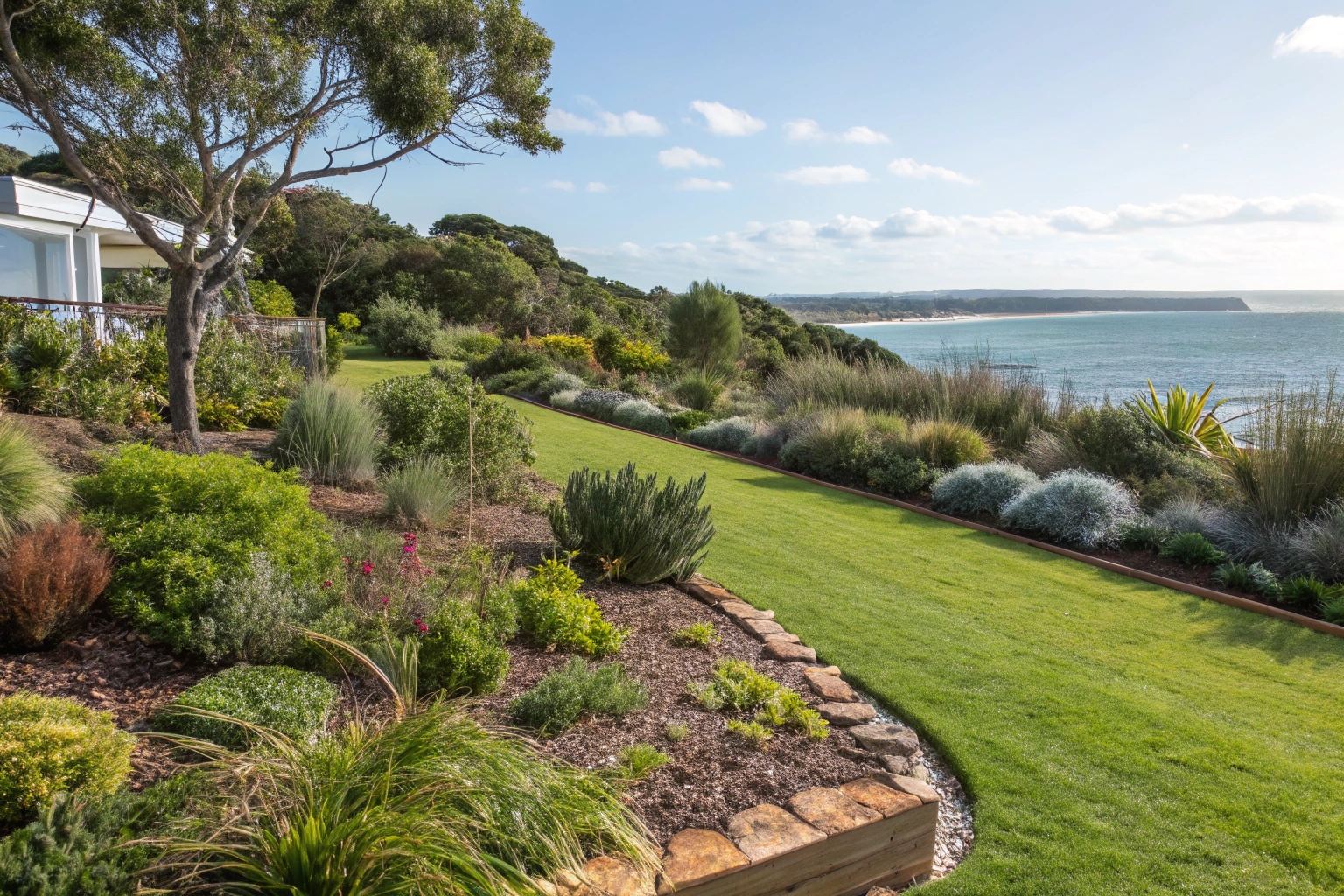
Types of Natural Stone for Central Coast Paving
Sandstone Pavers
This is the big one. You've probably walked your property a hundred times thinking "if only this bit was flat." Garden terracing makes that happen. We're carving out level platforms where you can put furniture, plant a proper garden, let the kids kick a ball around - stuff you just can't do on a slope. Most Central Coast blocks we work on end up with 2-4 terrace levels depending on how steep you're dealing with. Each level becomes its own zone.
Bluestone Pavers
Bluestone provides a contemporary, sophisticated look with charcoal to grey-blue tones, creating dramatic contrast for modern homes in Terrigal and Wamberal. It offers a slightly textured surface with some slip resistance and generally has more uniform colour than sandstone. Bluestone absorbs heat in full sun, so it’s best for shaded patios or entertaining areas rather than exposed pool surrounds.
Limestone Pavers
Limestone balances aesthetics and functionality with soft grey and beige tones, suitable for traditional and contemporary settings. French limestone adds a European elegance to luxury properties in Avoca Beach and Copacabra. Its smoother, honed surface is ideal for formal entertaining areas. Being more porous, it benefits from sealing in the coastal climate and develops a refined patina over time.
Granite and Slate Options
Granite offers durability and a polished, modern aesthetic, with dark grey and black tones and occasional silver or gold flecks. Its smooth, honed finish is perfect for high-end outdoor kitchens and formal spaces. Slate provides textured, layered surfaces with colours from charcoal and grey to purple and green. Its natural cleft surface offers excellent slip resistance and works well in pool areas, pathways, and garden-integrated patios.
Benefits of Natural Stone Paving
- Timeless Appeal That Doesn’t Date
Natural stone never goes out of style. Unlike trends like terracotta or stamped concrete, stone ages gracefully, developing patina and character over time. Features like slight weathering or moss growth add charm rather than detract from its look. - Every Installation Is Unique
No two stone patios are identical. Colour variations, patterns, and natural textures combine to create a one-of-a-kind outdoor space. How the stone weathers also reflects the property’s microclimate, making each installation unique. - Durability That Outlasts Manufactured Options
Stone is naturally strong and long-lasting, unlike concrete or tiles. Properly installed, it can endure generations, resisting temperature swings, humidity, salt air, and heavy rain common on the Central Coast. It won’t fade, crack, or corrode like manufactured materials. - Heat Management for Coastal Climate
Lighter stones like sandstone and limestone reflect heat, staying comfortable for barefoot walking. Darker stones like bluestone absorb heat but release it gradually, extending usable outdoor hours in cooler evenings. - Natural Slip Resistance
Textured surfaces of natural stone—sandstone, slate, thermal-finished bluestone—provide excellent grip even when wet. This makes them safe around pools, pathways, and outdoor showers, offering both security and comfort underfoot.

Where Stone Paving Works Best

Outdoor Entertaining Areas and Patios
Stone paving elevates patios and entertaining areas, making them central to outdoor living. Sandstone in random ashlar offers a relaxed coastal feel, bluestone adds contemporary sophistication, and limestone provides traditional elegance.

Pathways and Walkways
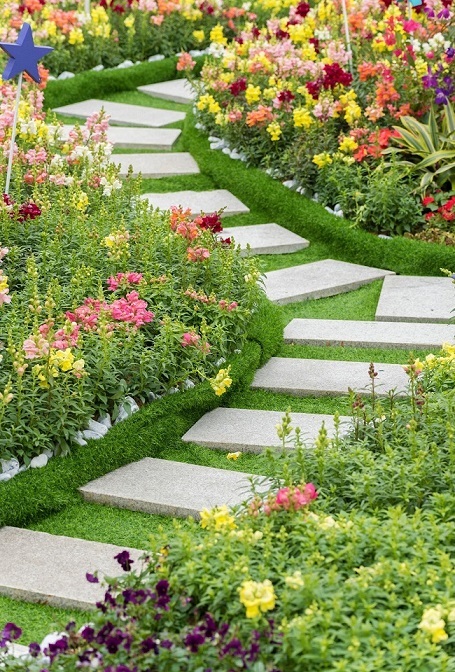
Stone pathways guide movement while enhancing landscape aesthetics. Irregular shapes and textures create visual interest, blending naturally with gardens. Functional widths start at 1.2 m, with pattern choice affecting the style—casual organic or formal structured.

Pool Surrounds
Stone around pools balances safety and style. Sandstone is popular for slip resistance and cooler surfaces underfoot. Properly sized surrounds (1.5–2 m minimum) accommodate sun lounges and foot traffic. Sealing protects against chlorinated water, sunscreen, and constant moisture.

Feature Entries and Courtyards
Stone entries make a strong first impression, signaling quality and attention to detail. Courtyards benefit from stone’s natural character, creating intimate outdoor rooms. Premium stones can be used in smaller areas, like entry paths or feature landings, for maximum impact without exceeding budget.
We can do many things for your backyard including Stone Paving Installation landscaping lawn replacement retaining walls
Pattern Styles and Layout Options
Random Ashlar Pattern
Uses rectangular stones of varying sizes arranged irregularly, creating a casual, natural look. Ideal for sandstone and limestone in coastal properties. Success depends on skillful arrangement to avoid repetition or awkward clusters. Suited for large entertaining areas where visual interest is desired without rigid lines.
Regular Coursed Layouts
Stones cut to consistent widths and laid in straight, parallel lines for a formal, structured appearance. Works well with bluestone and granite. Requires precise cutting and alignment for a sophisticated, contemporary finish. Alternating course widths can add visual rhythm while maintaining order.
Crazy Paving Style
Irregular pieces fitted like a jigsaw puzzle, creating strong visual texture for gardens or rustic settings. Slate and sandstone suit this style. Labour-intensive due to careful placement and cutting. Joints are wider and irregular, producing an organic, medieval feel.
Modern Geometric Layouts
Large format pavers arranged in clean lines with contrasting colours or negative space. Suitable for contemporary properties in Wamberal and Terrigal. Precise cutting and narrow joints create an architectural effect. Mixing stone colours adds visual contrast but requires careful design to avoid a dated or gimmicky look.
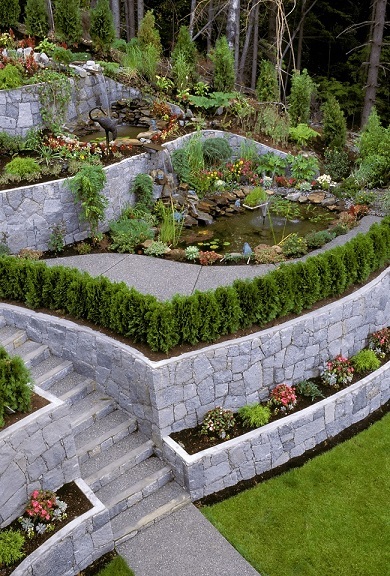
Base Preparation and Foundation Requirements
Concrete Slab Base: Provides a rigid, stable foundation for high-quality, permanent installations such as entertaining areas and formal pathways. Requires minimum 100mm thickness, reinforced mesh, fully compacted subgrade, and proper fall for drainage. Stones can be mortared directly onto the slab, preventing movement and hollow spots.
Compacted Aggregate Base: Used for sand-laid installations with thicker stones (40mm+) in pathways or casual areas. Involves layered compaction of crushed rock or roadbase, ensuring stability. Edge restraints like concrete haunch or steel edging are essential to prevent spreading and sinking.
Drainage Considerations: Proper drainage is critical to avoid pooling, moss growth, and base erosion. Stone surfaces require a 1–2% fall away from buildings. Base layers may include gravel or drainage lines depending on site conditions, especially on flat or sandy blocks common to the Central Coast.
Dealing with Central Coast Sandy Soil: Sandy soils shift easily and don’t compact well, making proper base preparation essential. Excavation is deeper to replace native soil with compacted aggregate. Geotextile fabric may be used to separate sand from the base layer in very sandy areas.
Sealing and Long-Term Maintenance
Why Sealing Matters
Sealing protects natural stone from stains, moisture, and spills while keeping its natural look. Different stones and areas need specific sealers — for example, granite needs less than porous limestone or pool surrounds.
Initial Sealing
New stone is sealed 7–10 days after installation to ensure proper protection. Professional sealing ensures the stone lasts longer, unlike DIY attempts that often fail.
Ongoing Maintenance
Sealed stone is easy to care for — regular sweeping and gentle washing with pH-neutral cleaners is enough. Most sealers need reapplication every 3–5 years, more often in high-traffic or pool areas.
Natural Aging
Stone ages gracefully, developing a patina that adds character. With proper care, it can last decades and even look better over time.
Stains and Spills
Clean spills promptly to avoid stains. For stubborn spots, professional cleaning is recommended. Preventive habits and timely resealing keep your stone looking beautiful with minimal effort.
Call us at (07) 4351 4011 or …
Colour Options and Aesthetic Choices
Sandstone Colour Range
Australian sandstone delivers warm, earthy tones that complement our coastal environment naturally. Cream and beige varieties create light, bright spaces—popular for formal entertaining areas and modern properties. These lighter tones reflect heat, stay cooler underfoot, and provide neutral backdrop for furniture and outdoor decor.
Bluestone Tones
Bluestone's colour range spans charcoal, grey, and blue-grey tones. The darkest charcoal varieties create dramatic, contemporary installations—especially striking against white rendered walls or light-coloured timber. These dark tones absorb heat, so they're better suited to shaded entertaining areas or courtyards rather than full-sun pool surrounds.
Limestone Neutrals
Limestone delivers soft, neutral tones—creams, beiges, warm greys. These colours create refined, elegant outdoor spaces without strong colour statements. The subtlety works beautifully in both formal and casual settings, providing sophisticated backdrop rather than attention-grabbing feature. Grey limestone varieties offer contemporary sophistication without the dramatic contrast of charcoal bluestone.
Creating Contrast with Mixed Stones
Contemporary installations sometimes mix stone colours for visual interest. Charcoal bluestone borders around cream sandstone create defined edges and modern contrast. Limestone accents within sandstone fields add subtle sophistication. These combinations need careful design—the goal is intentional sophistication, not chaotic busy-ness.
Why Choose Professional Installation
- Avoid Costly Mistakes
Poor stone paving leads to sinking stones, trip hazards, drainage problems, cracked joints, and weeds. Fixing these issues means paying twice. Professional installers prevent costly errors and protect your investment in premium materials like bluestone, sandstone, or limestone. - Local Central Coast Experience
Experienced installers understand regional challenges—sandy soils, coastal conditions, council regulations, and drainage needs. They know which stones and base preparations perform best in areas like Terrigal, Wamberal, and Avoca Beach, ensuring long-lasting results. - Full Project Management
Professionals handle design, material sourcing, equipment, installation, and cleanup. One point of contact streamlines the process, saving you time and stress while ensuring projects finish on schedule. - Warranty and Accountability
Licensed and insured contractors provide warranties, fix issues, and are accountable for their work. Their reputation in the Central Coast market ensures quality, giving you long-term peace of mind.
FAQs About Stone Paving Installation
You’re looking at $150-$250 per square metre for sandstone installed, $180-$300+ for bluestone or limestone, depending on stone quality and installation complexity. A typical 25 square metre entertaining area runs $4,000-$7,500 including base preparation and installation. Central Coast pricing sits between Sydney rates (more expensive) and regional NSW (cheaper), and our sandy soil sometimes requires more extensive base work which adds to cost. I always recommend getting at least three quotes from local contractors who’ve done work in your specific suburb—Terrigal installations often differ from inland Erina properties.
Autumn and spring are ideal—April to June and September to November give us stable weather without summer’s intense heat or winter’s heavy rain periods. You want the base to stay dry during installation and the mortar to cure properly without getting saturated, which is tough during our December-February storm season. That said, experienced contractors can work year-round if needed, they just need to plan around weather and potentially cover work areas. If you’re planning a project, booking in autumn means your entertaining area is ready for summer use.
Yes, if the existing surface is solid, level, and properly draining—I overlay concrete slabs regularly when they’re in good condition. The existing surface needs to be structurally sound without major cracks, movement, or drainage issues that’ll just transfer to your new stone. For old pavers on sand base, I usually recommend removing them because the base has likely settled unevenly over time, especially in our Central Coast sandy soil. Adding stone on top of a compromised base is throwing money at a problem that’ll resurface within months.
Most ground-level paving doesn’t require approval, but raised areas, retaining walls over 600mm, or work affecting drainage might trigger requirements depending on your local council. Central Coast Council has specific requirements around impervious surfaces and stormwater management that can catch people out. I always check with council early in the planning stage because the last thing you want is to install beautiful bluestone only to find you needed approval and now face compliance issues. Different suburbs have different overlays too—properties near waterways or bushland zones have additional restrictions.
A typical 25-30 square metre entertaining area takes 5-7 working days from excavation through final cleanup for an experienced crew. Day one is excavation and base prep, days two-three are base compaction and concrete slab (if using that method), days four-six are stone laying and grouting, day seven is cleanup and sealing. Weather affects timing significantly on the Central Coast—summer storms can pause work, and mortar needs dry conditions to cure properly. Larger projects or complex patterns take longer, and I always add buffer time because rushing stone work leads to poor results you’ll see every time you walk outside.
Wet-laid means stones are mortared onto a concrete base—this is permanent, stable, and what I recommend for Central Coast entertaining areas and high-use spaces. Dry-laid sits stones on compacted sand base without mortar, allowing some flexibility but also potential for settling, especially in our sandy soil that shifts more than clay. Wet-laid costs more upfront but eliminates future movement issues and gives you that premium, permanent installation. I only recommend dry-laid for garden pathways or casual areas where minor settling isn’t a problem and you want a softer, more organic aesthetic.
Consider how you’ll use the space, your home’s style, and your heat tolerance barefoot. Sandstone suits most Central Coast properties—it stays cooler underfoot, handles our coastal conditions perfectly, and that warm honey tone works with both traditional and modern homes. Bluestone gives contemporary sophistication but absorbs heat, so it’s better for shaded areas or properties in Terrigal and Wamberal where modern architecture suits the dramatic colour. Limestone sits between the two—more refined than sandstone, less dramatic than bluestone, perfect for Avoca Beach and Copacabra properties wanting European elegance without the heat retention of dark stone.