
Garden Soil Supply and Installation Services Central Coast
Want A FREE QUOTE? Click To Call Now!
Quality Garden Soil Changes Everything
That’s where professional garden soil supply and installation services make sense for Central Coast properties. Because you can keep fighting against sandy soil, adding bags of potting mix here and there, watching your money drain into the ground (literally). Or you can fix the foundation properly—bring in quality garden mix that’s actually designed to help plants grow in our coastal conditions.
Local Expertise for Coastal Gardens
We’ve been delivering and installing premium garden soil across Terrigal, Erina, Copacabana, and surrounding Central Coast areas for years now. And what we’ve learned is this: good soil isn’t just about plants surviving. It’s about creating garden beds that actually work with the climate here, that hold water when we get those dry stretches, that drain properly when the storms roll in, that give your plants the nutrients them without you having to constantly fertilize.
Whether you’re putting in new garden beds, filling raised planters, starting a vegetable patch, or just sick of watching expensive plants die in sandy soil—the right garden mix changes everything. Let me show you what’s possible when you start with soil that’s actually designed for growing things on the Central Coast.
How Quality Garden Soil Benefits Your Plants
Improved Drainage Without Losing Water
Sandy Central Coast soil drains too fast—water's gone before plants can use it. Heavy clay drains too slow—plants drown in waterlogged soil. Premium garden mix finds that sweet spot. Water drains through fast enough that roots don't sit in boggy conditions (which causes root rot), but the organic matter holds moisture long enough for plants to access it between waterings.
Root Development That Makes Plants Thrive
Plants grown in sandy soil develop these weird shallow root systems because there's nothing deeper down worth reaching for. No nutrients, no water retention, no reason to grow deep roots. The roots spread out, push down, establish properly. Better root system means stronger plants that handle dry spells better, resist wind damage, and actually produce the flowers or vegetables or foliage you planted them for.
Nutrient Availability When Plants Need It
Sandy soil is like trying to fill a colander with water. Whatever you pour in runs straight out. Premium garden mix with good organic content holds nutrients in the root zone where plants can access them. You'll still need to fertilize, but nowhere near as often. And the nutrients you add actually stay around long enough to benefit your plants instead of ending up in the stormwater system heading to the ocean.
Blended Soil Composition That Actually Works
Here’s what separates quality garden mix from the cheap stuff you see advertised on Facebook Marketplace. Premium garden mix isn’t just dirt someone scraped from a building site. It’s a carefully blended combination of:
- Screened topsoil that provides the base structure
- Composted organic matter that feeds your plants over time
- Sand component for drainage (yeah, we add sand back in, but the right amount)
- Aged manure for nutrient boost without burning roots
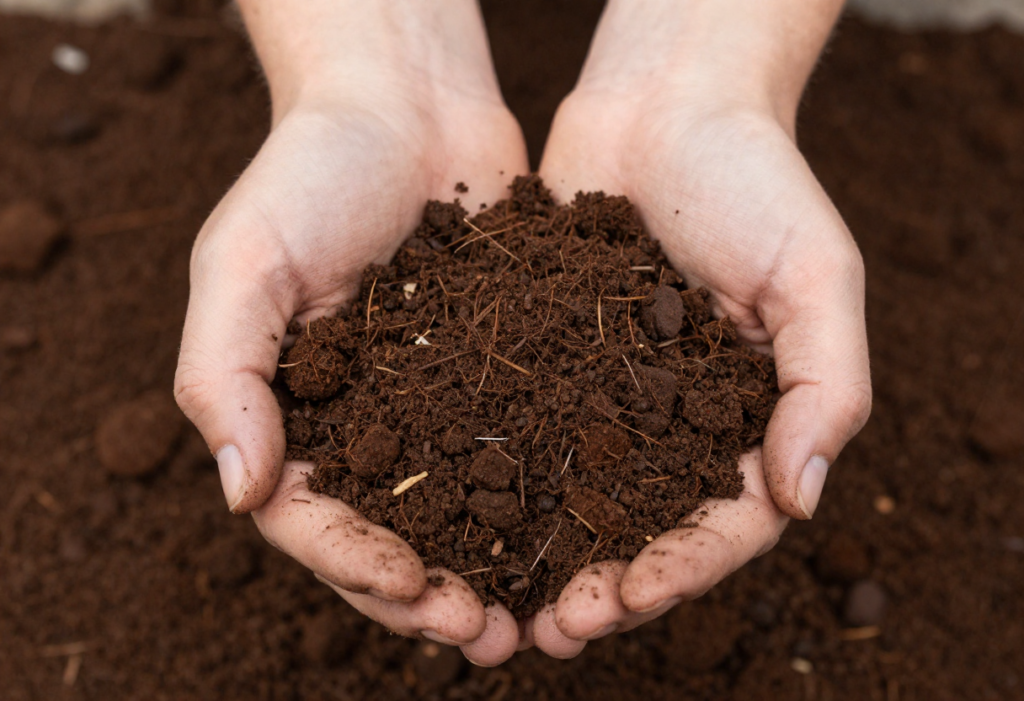
The texture matters too. Good garden mix should be friable—that means it crumbles easily in your hand but still holds together. Not clumpy clay, not dusty sand. Somewhere in between where plant roots can actually push through and establish themselves.

Where Garden Soil Makes the Biggest Difference

New Garden Beds
Starting from scratch? This is where quality soil really pays off. You’re setting up the foundation for years of plant growth. Skimping on soil quality now means years of struggling with poor plant performance later.
For new garden beds on Central Coast properties, we typically recommend removing 150-200mm of that sandy soil and replacing it with premium garden mix. Gives your plants a proper fighting chance from day one.

Vegetable Patches That Actually Produce
Vegetables are hungry plants. They need nutrients, they need consistent moisture, they need good drainage. Trying to grow vegies in straight Central Coast sand? You’re setting yourself up for disappointment.
A proper vegetable garden needs 300-400mm depth of quality garden mix. That depth gives root vegetables room to develop, provides enough nutrients for heavy feeders like tomatoes and zucchini, and holds enough moisture that you’re not watering twice a day in summer.

Raised Planter Beds
Raised beds are popular on the Central Coast for good reason—they solve drainage problems, they’re easier on your back, and they let you create perfect growing conditions regardless of what’s underneath.
But here’s the thing—raised beds need a lot of soil to fill properly. And buying bags of potting mix to fill a 3-meter bed? You’ll spend a fortune. Bulk garden mix delivered and installed makes way more sense for anything bigger than a small herb planter.

Tree Planting That Establishes Quickly
Trees on the Central Coast struggle in sandy soil, especially in their first few years. The roots can’t get established, can’t find nutrients, can’t access consistent moisture.
When we plant trees, we create a planting pocket with premium garden mix. Usually about 600-800mm diameter, filled with quality soil that gives the tree’s roots somewhere good to establish before they eventually push out into the surrounding ground.
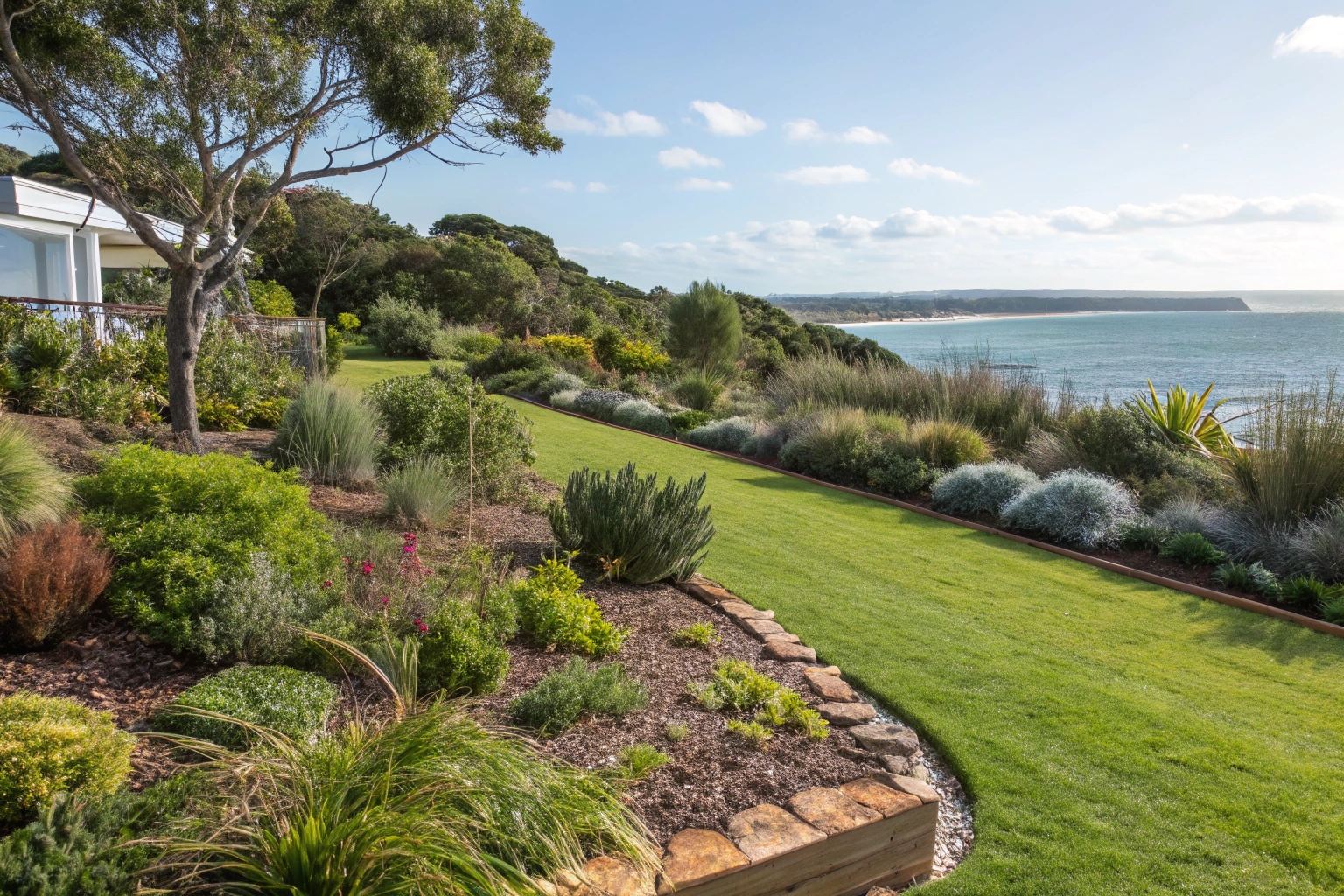
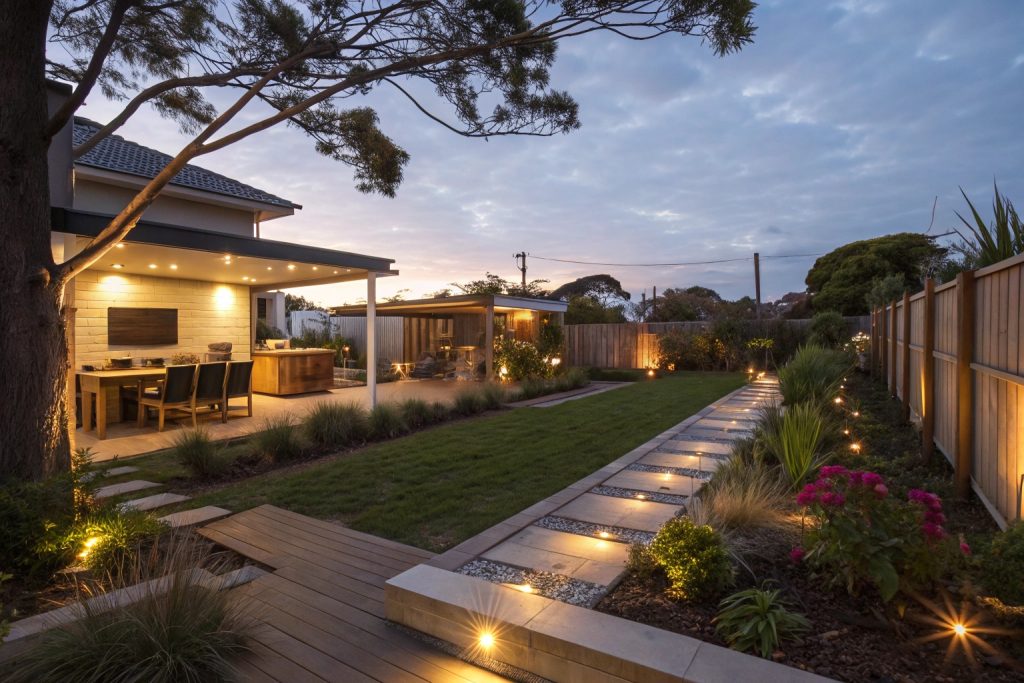
We can do many things for your backyard including Garden terracing landscaping lawn replacement retaining walls
Garden Soil Delivery Options for Central Coast Properties
Bulk Loads for Larger Projects
Bulk delivery is ideal for bigger garden jobs. Soil is delivered by tipper truck, typically in 6–8 cubic metre loads, with flexibility based on access and project size. This option offers better value per cubic metre and is the most practical choice for projects requiring larger volumes.
Trailer Quantities for Smaller Jobs
For smaller gardens or top-ups, trailer deliveries of around 1–3 cubic metres are available. This avoids over-ordering while still providing better quality and value than bagged soil from hardware stores.
Calculating How Much Soil You Actually Need
To work out the right amount of soil, use this simple formula:
Length × Width × Depth = Cubic Metres
Example:
A garden bed 5m long × 1.5m wide × 0.3m deep = 2.25m³
Rounding up for settling, ordering 2.5–3m³ is recommended.
Solving Central Coast Coastal Soil Challenges
Why Sandy Soil Fails Your Garden: Much of the Central Coast’s coastal soil is essentially sand, which makes it poor for plant growth. It drains too quickly, holds very little nutrient or moisture, has weak structure, low organic matter, and often the wrong pH for common plants. Replacing it with quality garden mix is far more effective than constant watering and fertilising.
Building Soil Structure That Lasts: Premium garden mix creates proper soil structure, allowing roots to breathe, water to drain without drying out, and soil to stay stable over time. Good structure supports moisture retention, prevents compaction, and encourages healthy soil life—something sandy soil simply can’t do on its own.
Adding Organic Matter for Long-Term Health: Organic matter is what turns sand into living soil. It improves water retention, feeds beneficial microbes and earthworms, releases nutrients slowly, and helps stabilise pH. On the Central Coast, this organic component is the key difference between struggling plants and a thriving, long-term garden.
Plant-Specific Garden Soil Blends
Native Garden Soil Mix: Designed for Australian natives that prefer low nutrients and excellent drainage. This blend is lower in phosphorus, slightly acidic, sandier, and supports healthy establishment without over-feeding sensitive plants.
Vegetable Garden Soil Mix: Rich and nutrient-dense to support high-yield crops. Higher organic matter, balanced nutrients, good moisture retention, and a friable texture help vegetables grow fast and strong.
Rose Garden Soil Mix: Balanced for drainage and nutrition. Includes composted organics, moisture-holding components, and pH adjustment to support repeat flowering and healthy, disease-resistant roses.
Acid-Loving Plant Mix: Formulated for plants like azaleas, camellias, and blueberries that need acidic soil. Uses pine bark, sulfur, and added micronutrients to maintain low pH and improve nutrient uptake.
Call us at (07) 4351 4011 or …
Professional Garden Soil Installation Service
Even Spreading for Consistent Results
Just dumping a load of soil in your garden and calling it done? That's how you end up with high spots, low spots, compacted areas, loose areas—a complete mess that plants won't grow well in. Professional installation means spreading the soil evenly across your garden beds, breaking up any clumps, creating a consistent depth throughout. No areas where it's 100mm deep and others where it's 400mm. Even coverage means even plant performance.
Incorporating with Existing Soil
Sometimes you're not completely replacing the existing soil, just improving it. Maybe there's halfway decent soil under that sandy top layer. Or you want to blend new garden mix with what's already there to stretch your budget further. Proper incorporation means working the new soil into the existing ground—not just laying it on top like a blanket. Usually we'll rotary hoe or turn the soil over to blend the layers together. Creates a transition zone instead of a hard line between old and new soil.
Getting the Depth Right for Your Plants
Different plants need different soil depths. Installing too shallow means you've wasted money on soil your plants can't fully use. Too deep and you've spent more than necessary. Here's what we typically recommend for depth: Annuals and shallow-rooted plants: 200mm minimum Perennials and most garden plants: 250-300mm Vegetables and deep-rooted plants: 300-400mm Shrubs and small trees: 400-600mm
Why Professional Garden Soil Supply and Installation Makes Sense
Local Coastal Expertise
Years of experience with Central Coast conditions mean soil blends are tailored to local challenges like salt spray and sandy base soils—not generic mixes.
Consistent, Reliable Quality
Professional suppliers deliver uniform, weed-free garden mix with consistent nutrients and composition, removing the risk of poor-quality fill.
Time-Saving Installation
Professional delivery and spreading avoids heavy manual work and ensures soil is installed evenly and efficiently.
Better Garden Performance
Quality soil sets the foundation for healthier plants, faster establishment, and long-term success in Central Coast conditions—making gardening easier and more enjoyable.
FAQs About Garden Soil on the Central Coast
Autumn (March-May) is perfect for Central Coast garden soil installation because the weather’s cooler so you’re not fighting 30-degree heat while plants establish, and there’s usually decent rainfall to help everything settle in. Spring’s the second-best option if you want to get planting for summer, but you’ll need to water more consistently while plants get established. We work year-round, but I always tell clients in Terrigal and Erina that autumn installations give plants the easiest start—they establish roots over winter and are ready to take off when spring arrives. Summer installations work fine too, just means you’re committed to regular watering for the first few months.
For most Central Coast gardens, mixing works fine as long as you’re doing at least a 50/50 blend—half existing sand, half premium garden mix worked together properly. If your existing soil is pure builder’s sand with zero organic matter (pretty common in newer estates around Wamberal), you’re better off removing 150-200mm and replacing it completely because there’s just nothing worthwhile to blend with. I’ve seen plenty of properties where we blend new soil into existing and get great results, but the key is proper incorporation—not just dumping new soil on top and hoping it’ll work itself down. For vegetable gardens or areas where you want optimal results, full replacement makes more sense than mixing.
Quality garden mix doesn’t really “expire,” but it does break down and compact over 5-10 years depending on how well you maintain it. The organic matter decomposes (which is actually feeding your plants), the soil settles and becomes denser, and eventually it starts performing more like regular soil than premium mix. Regular mulching, annual compost additions, and avoiding compaction can extend the life indefinitely—I’ve got clients in Copacabana whose garden beds from 8 years ago are still performing brilliantly because they’ve maintained them properly. If you neglect the soil completely, it’ll degrade faster and might need refreshing or replacing after 3-5 years.
Not if it’s installed properly with appropriate edging or retaining to hold it in place—garden mix is designed to drain freely but the structure holds together even in those massive downpours we get on the Coast. The organic matter in premium garden mix actually helps bind soil particles together, so it’s way more stable than pure sand which can wash away easily. We always recommend garden bed edging or borders (timber, steel, stone, whatever suits your budget) to define the bed and prevent soil migration during heavy rain. I’ve never had properly installed garden soil wash away, even in gardens right near the beach at Avoca where we get significant weather events.
We handle most of the preparation during installation, but clearing out any large rocks, old plant roots, or builder’s rubble beforehand saves time and keeps your costs down. If there’s existing plants you want to keep, mark them clearly so we work around them, and if you’ve got aggressive weeds like oxalis or couch grass, treating them a week or two before installation prevents them coming back through the new soil. For most Central Coast properties, we’ll level and prepare the base as part of installation, but if you’ve got serious drainage issues or major slope problems, mentioning that upfront helps us plan the job properly. Basically, the more you can tell us about the site conditions and any challenges you know about, the better job we can do getting your soil installed right.
Garden mix is a blended product specifically designed for growing plants—it’s got topsoil plus compost, manure, and other organic materials mixed in to create ideal growing conditions. Topsoil is just the top layer of soil scraped from somewhere, which might be decent or might be rubbish depending on where it came from—there’s no consistency or guaranteed quality. For Central Coast gardens where you’re starting with sandy soil, garden mix makes way more sense because topsoil on its own usually doesn’t have enough organic matter or nutrients to overcome our coastal conditions. I only recommend straight topsoil for projects like leveling lawns or filling low spots where you’re not trying to establish new plants—for actual garden beds, raised planters, or vegetable patches, garden mix is what you want.