
Mulch Supply and Installation Services Central Coast
Want A FREE QUOTE? Click To Call Now!
Why Central Coast Gardens Need Proper Mulching
Here’s the thing about Central Coast gardens – our sandy soil and coastal winds make it nearly impossible to keep garden beds looking good without proper mulching. And buying a few bags from Bunnings on a Saturday morning? That’ll cover about half of one garden bed, cost you more than you’d think, and you’ll still have to spread it yourself in the heat.
We Handle Everything From Supply to Installation
We supply and install quality mulch right here on the Central Coast. Whether you need a couple of cubic meters for the front garden beds or enough to cover your entire property, we’ll deliver it and spread it properly so it actually does what mulch is supposed to do – keep your plants healthy, stop the weeds, and make your place look like you’ve got your act together.
Skip the DIY Disaster
You won’t be out there on a Sunday with a rake and a sore back. You won’t have three half-empty bags sitting in the garage for the next six months. And you definitely won’t have that embarrassing patchy mulch job that screams “I tried to DIY this.” We handle everything from selecting the right mulch type for your Central Coast garden to spreading it at the proper depth around your existing plants.

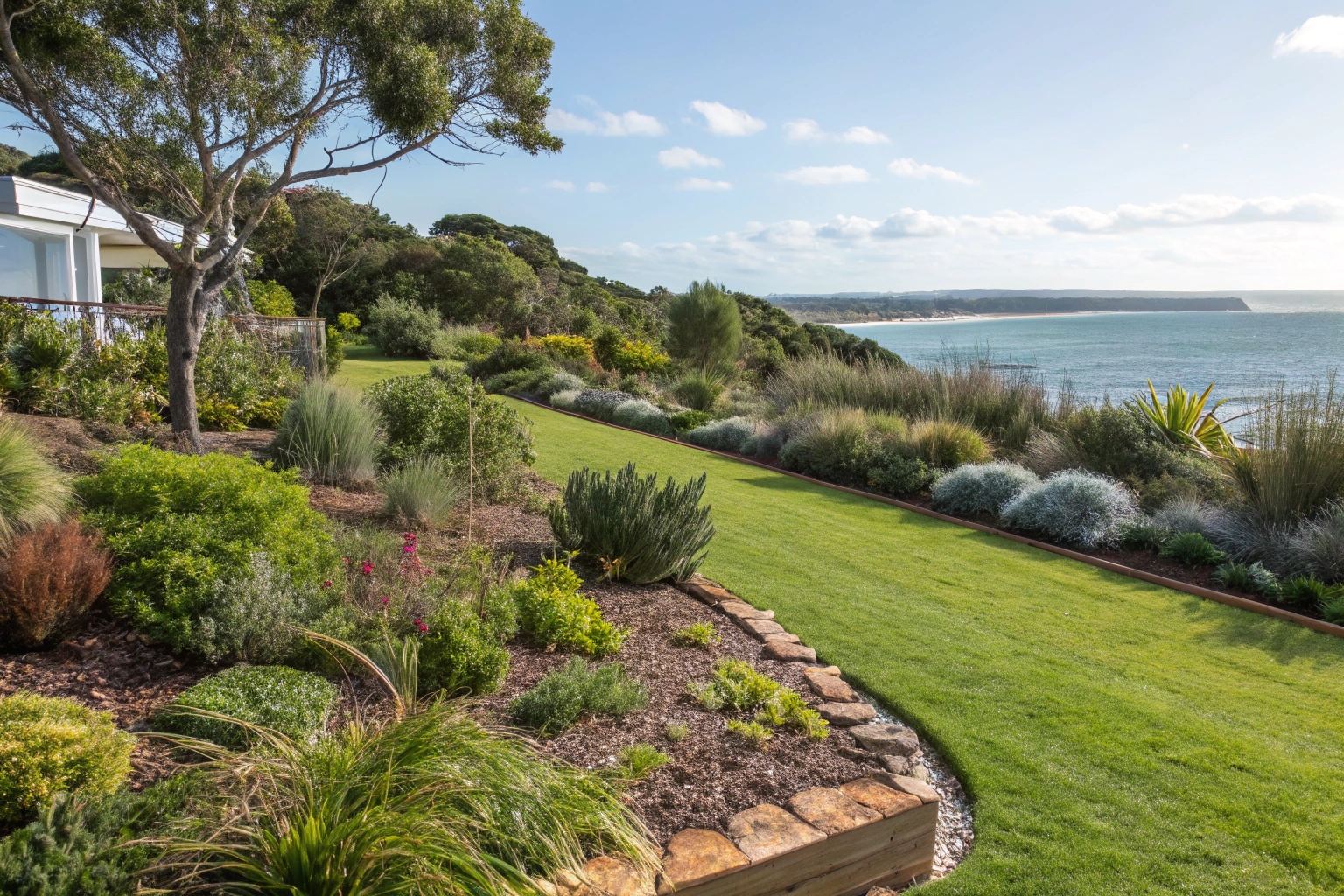
Mulch Varieties We Supply and Install
Hardwood Mulch
A popular choice for Central Coast gardens, hardwood mulch is made from eucalyptus and other hardwoods. It breaks down slowly, lasts longer between top-ups, and doesn’t blow around easily in coastal winds. The colour naturally fades from rich brown to a silvery grey that many homeowners grow to like.
Pine Bark Mulch
Pine bark is lighter in both colour and weight, keeping its reddish-brown look for longer and often costing less for large areas. It does break down faster than hardwood and can move in heavy rain, but it works well in flat, well-established garden beds.
Eucalyptus Mulch
A more uniform hardwood option, eucalyptus mulch contains natural oils that help deter termites, making it a good choice near homes. It suits native gardens especially well, as it mimics the natural environment those plants evolved in.
Sugar Cane Mulch
An organic mulch that breaks down quickly, sugar cane is ideal for improving soil health—particularly in sandy Central Coast soils. It adds organic matter and nutrients as it decomposes, but needs more frequent topping up and can move in windy areas.
Decorative Pebbles and Stones
For modern, low-maintenance areas like poolsides, paths, or feature zones, pebbles and stones are a durable alternative to organic mulch. They don’t break down or blow away and come in a range of styles, offering a long-lasting finish despite higher upfront cost.
Colour Options and Dyed Mulches
Dyed mulches in red, brown, or black offer a consistent look that lasts longer than natural mulch. While they suit specific design goals, colours will fade over time and may release some dye during initial rainfall.
How Much Mulch Do You Actually Need?
Calculating for Garden Beds
For effective weed control and moisture retention, mulch should be laid at about 75–100mm deep. Less than that won’t do much; more than that can be wasteful and cause moisture issues around plants. A simple way to calculate volume is length × width × 0.1 (for 100mm depth). It’s straightforward for one bed, but multiple or irregular areas can quickly make it confusing.
Bulk Bags vs Trailer Loads
Bulk bags suit small jobs and usually hold around 0.5 cubic meters—far more efficient than buying individual bags from a hardware store. For larger areas (over 2–3 cubic meters), trailer or truck delivery makes better sense, with lower cost per cubic meter and options ranging from small loads to full truck deliveries.
We Do the Measuring for You
To keep things simple, we can measure your garden beds and calculate the exact amount of mulch needed. That means no guesswork, no over-ordering, and no running short halfway through the job.

What Proper Mulching Actually Does for Your Garden

Keeps Moisture Where Your Plants Need It
Our sandy soil drains fast – sometimes too fast. Water goes straight through and your plants are thirsty again by the next afternoon. A proper layer of mulch acts like a blanket over the soil, slowing down evaporation and keeping moisture around the root zone where it’s actually useful.
You’ll cut your watering by 30-40% with good mulch coverage. That’s not just saving you time and water bills – it’s keeping your plants healthier because they’re not going through constant wet-dry cycles.

Stops Weeds Before They Start
Weeds need light to germinate. A 75-100mm layer of mulch blocks that light and stops most weeds from even getting started. The ones that do manage to push through are growing in loose mulch instead of hard soil, so you can pull them out with basically no effort.
Compare that to spending your Saturday mornings on your hands and knees digging out weeds that are rooted into sandy soil, and you’ll understand why proper mulching is worth every cent.

Regulates Soil Temperature
Central Coast summers can get pretty warm, and that heat penetrates into the soil and stresses your plants. Mulch acts as insulation, keeping the soil cooler in summer and warmer in winter. Your plants aren’t dealing with extreme temperature swings, which means they grow better and look healthier.
This is particularly good for newer plants that are still getting established. They’ve got enough to deal with without their roots getting cooked on 35-degree days.

Prevents Erosion on Slopes
If you’ve got any sloped areas in your garden – and plenty of Central Coast properties do – you’ve probably seen what happens when it rains. The water runs off, taking your soil with it. You end up with channels and bare patches, and your garden beds slowly migrate down the hill.
Mulch slows the water down, gives it time to soak in instead of running off, and holds the soil in place. For slopes and terraced gardens around areas like Copacabra and Erina, this is pretty much necessary if you want to keep your landscaping from washing away.
We can do many things for your backyard including Mulch supply and installation landscaping lawn replacement retaining walls
Professional Installation Makes All the Difference
- Even Spreading at Proper Depth
Professional mulching isn’t just about spreading material—it’s about consistency. Mulch is applied evenly at the ideal 75–100mm depth, avoiding thin patches where weeds break through or thick spots that waste product and affect drainage. Care is also taken not to pile mulch against plant stems, which can cause rot. - Working With Existing Garden Edging
Mulch is neatly worked up to timber, steel, or stone edging so beds look clean and finished, with no spill-over or gaps. If edging has shifted or needs fixing, it’s identified early—often improving the overall result when addressed before mulching. - Proper Clearance Around Trees and Plants
Mulch is kept clear of tree trunks and plant stems to prevent moisture buildup, rot, pests, and disease. Leaving the right gap protects plant health while still insulating the root zone where mulch is most effective. - Clean-Up Included
Once the job’s done, everything is left tidy—no stray mulch on paths or driveways, no damage to lawns, and no cleanup required. Any excess material or packaging is removed, leaving garden beds looking sharp and ready to enjoy.

Weed Mat and Landscape Fabric Options
When Weed Mat Makes Sense
Weed mat is ideal for new garden beds or areas with persistent weed problems. It blocks light to prevent weed growth while still allowing water and air to reach the soil, making it especially effective around shrubs and low-maintenance plantings.
Permeable vs Non-Permeable Fabrics
Quality matters. Cheap plastic mats can trap water and starve plants. Permeable landscape fabric is designed to let moisture and air through while stopping weeds, delivering far better long-term results.
Installation Under Mulch
The fabric is laid first, cut neatly around plants, secured, then covered with mulch. Mulch protects the fabric from sunlight, holds it in place, and keeps the area looking natural. Fabric should never be left exposed.
When to Skip Weed Mat
Weed mat isn’t suited to vegetable gardens or areas that change often. In these cases, a proper depth of mulch alone is more practical and still makes weed control much easier than bare soil.
Best Times to Mulch Your Central Coast Garden
Spring Mulching
Late winter to early spring (August–October) is the most popular time to mulch. The soil is already moist, plants are entering their growth phase, and fresh mulch helps lock in moisture and support healthy growth through spring and summer.
Autumn Application
Autumn (March–May) is another ideal window. Mulching then protects soil and roots over winter and allows the mulch to settle and start breaking down before the next growing season. It’s especially good for new beds or major garden upgrades.
Summer Mulching Considerations
Mulching in summer is possible but not ideal. Dry, hard soil and hot conditions make it less effective and harder work. Still, if weeds are getting out of hand, summer mulching is better than leaving beds bare.
When to Refresh Existing Mulch
Hardwood mulch usually needs topping up every 18–24 months, while pine bark and sugar cane last around 12–18 months. Signs it’s time include visible soil, increased weeds, or faded, weathered colour. Often, old mulch can simply be topped up unless it’s badly broken down or weed-infested.
Call us at (07) 4351 4011 or …
Where We Install Mulch on Central Coast Properties
Garden Beds and Border Areas
Mulch is installed across all garden beds—along fences, around homes, and in lawn island beds—to reduce maintenance and protect exposed soil. Care is taken to work around existing plants, bulbs, irrigation lines, and garden features.
Under Trees
Mulching beneath trees helps suppress weeds, protect roots, and improve the overall look of the garden. Mulch is spread out to the tree’s drip line while being kept clear of the trunk to avoid rot and promote healthy growth.
Pathways and Access Areas
Mulched pathways are a popular choice for a natural coastal look. These can be newly created or refreshed, with durable options like hardwood mulch or pebbles recommended for high-traffic areas.
Playground Areas
Mulch provides a softer, safer surface for play areas and drains well after rain. Certified playground mulch can be installed where required, or standard mulch used for informal play spaces.
Around Pools
Near pools, organic mulch is kept back from the edge to prevent it being tracked into the water. Pebbles are often used as a border, while surrounding garden beds are mulched to maintain a cohesive landscape.
Slopes and Terraced Areas
On slopes and terraced gardens, mulch helps control erosion, retain moisture, and stabilise soil. Heavier mulches like hardwood—and sometimes erosion control matting—are used on steeper areas for long-term results.
Why Professional Mulch Installation Saves You Money
Bulk Pricing on Materials – Truckload purchases reduce costs; accurate quantities avoid waste.
Reduced Water Bills Long-Term – 30-40% water savings; pays for installation within 1–2 years.
Less Plant Replacement – Maintains plant health, reduces replacements.
Lower Ongoing Maintenance – Reduces weeding, erosion, and watering tasks.
Your Time Has Value – Professional installation saves weekends and physical effort.
FAQS About Mulch Supply and Installation
For most typical Central Coast homes – say 20-30 square meters of garden beds – we’re usually done in 2-4 hours depending on access and how many beds you’ve got. Bigger properties with extensive landscaping might take a full day, but we’re not talking multiple days unless you’ve got acreage. We show up, spread the mulch properly, clean up, and you’ve got finished garden beds by lunchtime without lifting a finger yourself.
If your existing mulch has broken down to mostly soil and there’s not much left, we’ll top it up directly – no point removing good organic matter that’s already improving your sandy Central Coast soil. If the old mulch is really thick, full of weeds, or there’s landscape fabric underneath that’s failed, we’ll clear it out first and start fresh. We’ll tell you which approach makes sense when we see your garden beds – sometimes a clean slate is worth the extra effort.
We’ll pull or spray obvious weeds before mulching, especially perennial ones that’ll just push straight through new mulch. Trying to smother established weeds under mulch doesn’t really work – bindii, oxalis, and couch grass will laugh at your 100mm of mulch and come through anyway. Once we’ve dealt with the existing weeds and put down proper depth mulch, new weeds won’t be a problem because they can’t germinate without light.
All our organic mulches – hardwood, pine bark, eucalyptus, sugar cane – are safe for kids and pets. Dogs might dig in it a bit if that’s their thing, but it won’t hurt them if they get some in their mouth (though it’ll taste terrible). For dedicated play areas where kids are really active, we can install certified playground mulch that’s specifically tested for safety. Most Central Coast families just use standard hardwood mulch in garden beds and it’s never been an issue.
Termites are already in the ground around here – Central Coast has plenty of subterranean termite activity whether you mulch or not. The key is keeping mulch away from direct contact with your house timber (we leave a 100mm gap), and using eucalyptus mulch near the house if you’re concerned since it’s got natural termite-deterrent properties. Mulch doesn’t create termites, but piling it against weatherboards or touching timber posts is asking for trouble, which is why we’re careful about clearances.
Rain actually helps settle new mulch into place, so it’s not a problem at all. The mulch might darken up and compact a bit, but that’s fine – you want it to settle rather than stay loose and fluffy where it can blow around in coastal winds. If we’re expecting really heavy rain that same day we might suggest rescheduling, but normal Central Coast showers won’t affect the installation or wash away properly spread mulch.