
A well-designed pergola turns your backyard into the space where you actually want to spend time. We build custom pergola structures across the Central Coast that create shade, define outdoor living zones, and make your property work harder for entertaining, relaxation, and everyday use.
Coastal conditions demand specific construction approaches – materials that handle salt air, engineering that accounts for wind exposure, and designs that complement beachside architecture without fighting the elements. We’ve built pergolas from Terrigal to Erina that perform year-round because they’re designed for this climate, not just copied from a standard plan.
Timber pergolas with coastal-grade treatments, aluminium structures that never need repainting, modern flat-roof designs with integrated shade systems, traditional gable styles that match your home’s character – the material and design choices shape how your pergola functions and what it costs to maintain. We walk you through options that suit your block, your budget, and how you’ll actually use the space, then handle the council approvals, engineered footings, and construction that turns the concept into a structure you’ll use every weekend.
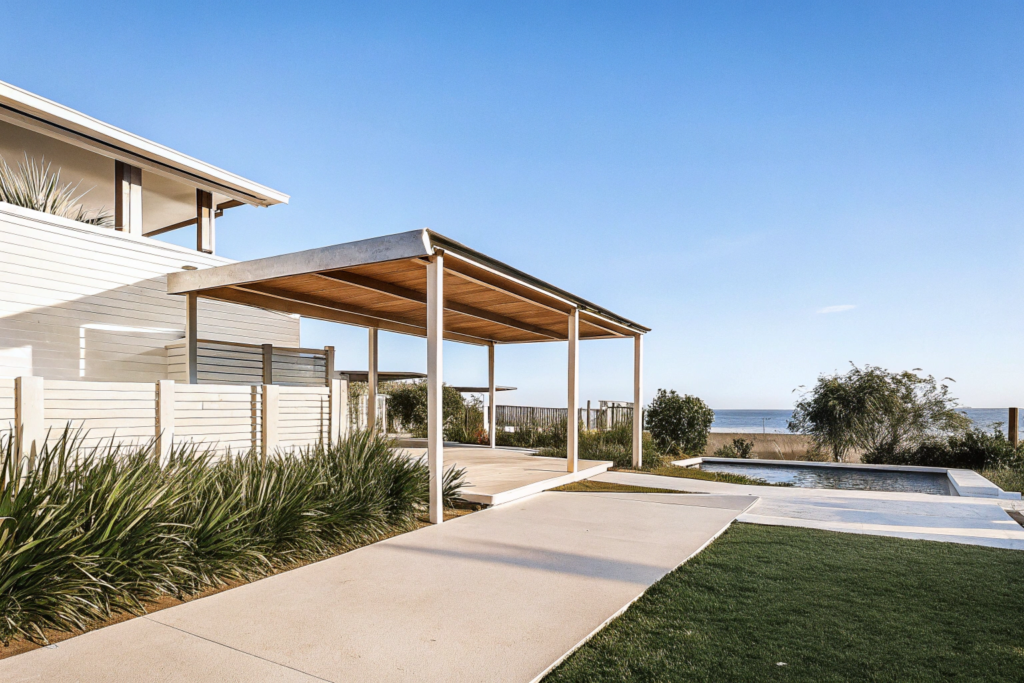
Pergola Design Styles That Work on the Central Coast
Your pergola design determines functionality, weather protection, and how well it integrates with your home's architecture. Traditional Timber Pergolas Classic design with timber posts, crossbeams, and slatted rafters creating partial shade. We space rafters at 300-450mm centres depending on sun blocking requirements. Suits heritage homes and established gardens where climbing plants will grow over time. The combination of timber and greenery delivers the quintessential Australian backyard aesthetic. Modern Flat-Roof Pergolas Aluminium or steel frames with solid roofing - Colorbond, polycarbonate, or insulated panels. Creates defined outdoor rooms with complete rain protection, not just shade. Suits contemporary architecture and allows integrated lighting, ceiling fans, and proper drainage systems. Gable Pergolas Pitched roof matching your house creates visual continuity between indoor and outdoor spaces. Sheds water effectively, provides better ventilation than flat designs, and suits traditional roof lines common across Central Coast properties. Attached vs. Freestanding Attached pergolas connect to your house via ledger beams - cost less and extend existing rooflines. Freestanding structures sit independently in yards, offering placement flexibility for pools or garden features but requiring four posts with proper footings.
Shade Solutions and Roofing Options
The roofing configuration determines how much shade your pergola provides – from open slats blocking 30% of sun to solid roofing eliminating UV exposure entirely. Slatted roofs use timber or aluminium slats creating dappled shade that changes as the sun moves throughout the day. We angle slats to block high summer sun while allowing lower winter sun through for passive climate control. Adjustable louvre systems take this further with motorised slats you control remotely – open for breeze, close during rain, adjust for perfect shade angles.
Polycarbonate panels and shade cloth offer different approaches to weather protection. Corrugated or multiwall polycarbonate blocks rain and 99% UV while transmitting light, available in clear, opal, or tinted finishes requiring minimum 5-degree pitch. Shade cloth stretched over frames blocks 70-95% UV depending on density, costs less than solid roofing, and lasts 10-15 years in coastal conditions.
Natural shade from climbing plants creates the classic pergola aesthetic – wisteria, jasmine, or grapevines take 2-3 years for full coverage but deliver fragrance and seasonal colour that synthetic materials can’t match.

Pergola Material Options for Central Coast Properties
The material you choose determines maintenance requirements, longevity in salt air, and how your pergola looks in five years versus five months.
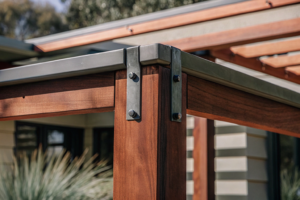
Treated pine offers the most affordable entry point – H4-rated timber resists rot and termites, takes stain well, but needs restaining every 3-4 years in coastal environments. Hardwood pergolas using merbau, spotted gum, or ironbark cost more upfront but age better in salt air. Natural oils resist decay without chemical treatments, and the timber darkens to rich patina over time. We recommend hardwood for exposed coastal sites where wind loads and weather exposure are constant.
Aluminium pergolas eliminate ongoing maintenance – powder-coated frames don’t warp, twist, or require painting. They handle salt exposure without corrosion and create sleek contemporary aesthetics. Steel and composite materials suit specific applications requiring large spans or guaranteed colour consistency, though they increase upfront costs compared to standard timber or aluminium options.
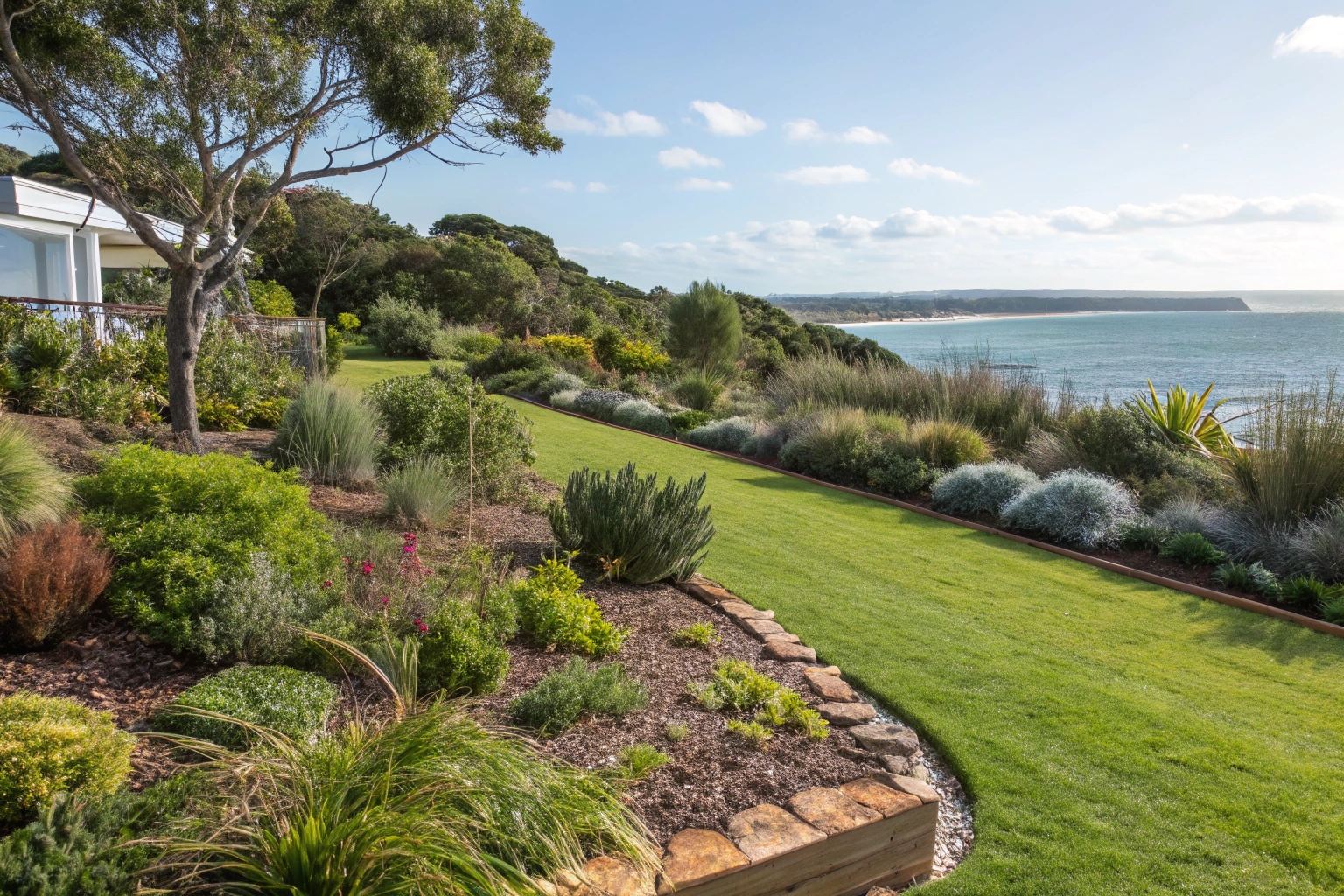
We can do many things for your backyard including Artificial turf installation landscaping lawn replacement retaining walls
Pergola Size and Placement Considerations
Alfresco and entertaining areas work best with 4x4m to 6x5m coverage – enough space for outdoor dining, lounge seating, and BBQ zones. We size pergolas to fit your entertaining style and recommend minimum 3m depth from your house to create usable space. Shallow 2.5m pergolas feel cramped once you add furniture. If your block allows, 4-5m depth accommodates separate dining and lounge zones.
Pool surrounds and carport conversions offer different placement opportunities. Freestanding pergolas positioned on the western or northern side of pools create afternoon shade for lounging without blocking sun on the water. Pergola posts need minimum 1200mm clearance from pool edges to meet fencing regulations. Converting existing carports to dual-purpose spaces creates covered parking plus entertaining areas by upgrading roofing and adding feature posts.
Freestanding garden features create destination points – shaded seating areas, covered fire pits, or quiet reading nooks separate from the house. They need four solid footings and positioning that considers sun angles, views, and neighbour privacy. More expensive than attached pergolas but they add architectural interest to larger blocks.

Outdoor Living Comfort
Pergolas create comfortable outdoor spaces by managing sun exposure throughout the day and seasons. Strategic positioning captures morning sun for breakfast areas while blocking harsh afternoon western light that makes outdoor spaces unusable during Central Coast summers. We design pergola orientation based on your property’s aspect, prevailing breezes, and how you’ll use the space across different times of day.
Seasonal sun angles work in your favour with properly designed pergolas. Summer sun sits high overhead – slatted roofs block direct UV while allowing airflow underneath. Winter sun tracks lower across the sky, penetrating deeper under pergola coverage to warm outdoor dining areas naturally. This passive climate control extends your outdoor living season without mechanical heating or cooling.
Airflow and ventilation through open or semi-open pergola designs prevent heat buildup common under solid roofing. We position pergolas to capture coastal breezes, angle slats or louvres for cross-ventilation, and avoid creating enclosed boxes that trap hot air. The result is outdoor space that stays 5-8 degrees cooler than full-sun areas while remaining usable during light rain or intense UV periods.
Weather Protection and Coastal Durability
Solid roofing – Colorbond, insulated panels, or polycarbonate – provides complete rain protection when installed with proper fall and guttering. We flash roof-to-wall connections to prevent water entry and include drainage systems for runoff management. Partial rain coverage uses strategic placement of solid panels within slatted designs, protecting dining areas while leaving perimeter sections open for airflow and reduced construction costs.
Wind engineering differs for enclosed versus open pergolas. Enclosed structures with solid walls need calculations for uplift, pressure, and suction forces on all surfaces. Open pergolas with slatted roofs reduce wind loads because air flows through rather than building pressure against solid surfaces.
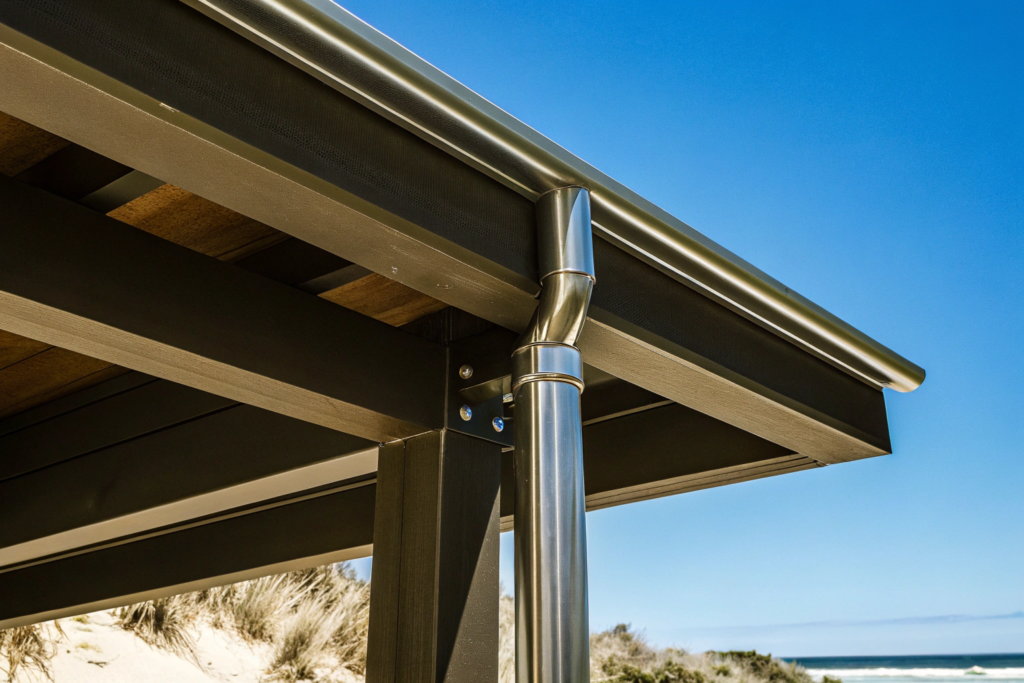
Coastal durability requires marine-grade fixings – 316-grade stainless steel bolts within 1km of ocean, hot-dip galvanised brackets, and sealed fasteners preventing corrosion. We recommend quarterly washing with fresh water to remove salt buildup on all surfaces. Regular maintenance checks for loose fixings and coating damage prevent minor issues becoming structural failures in salt air environments.
Call us at (07) 4351 4011 or …
Bushfire Safety Considerations for Central Coast Pergolas
Properties in bushfire-prone areas across Central Coast require pergolas built to specific Bushfire Attack Level (BAL) ratings. BAL-12.5 and BAL-19 classifications are most common for residential properties - your pergola needs non-combustible or fire-resistant materials, ember protection, and clearances from vegetation that reduce ignition risk during bushfire events. Non-combustible materials include steel frames, aluminium structures, and fibre-cement panels for roofing or screening. Timber pergolas require treated hardwood meeting AS3959 specifications, with all exposed timber surfaces sealed to prevent ember penetration. We use metal flashing, close gaps in construction, and install ember guards on vents or openings. Defendable space requirements dictate minimum clearances between pergolas and surrounding vegetation - typically 10-20m depending on BAL rating and slope. We position pergolas away from overhanging trees, remove leaf litter accumulation areas, and use non-combustible ground treatments like concrete or pavers underneath structures. Council certification for bushfire-prone land requires engineer documentation proving BAL compliance, material specifications, and construction methods meeting Australian Standards. We coordinate with bushfire consultants, provide compliant designs, and handle certification proving your pergola meets safety requirements.
Get Your Central Coast Pergola Project Started
We build custom pergolas across Terrigal, Avoca Beach, Erina, Wamberal, and throughout the Central Coast that enhance outdoor living and add functional value to your property. Our construction process handles engineering, council requirements, and quality building that performs in coastal conditions.
Call us for a site assessment and detailed quote on your pergola construction project. We’ll visit your property, discuss design options that suit your block and budget, explain material choices for coastal performance, and provide transparent pricing with no hidden costs. Whether you’re covering an alfresco area, creating poolside shade, or building a standalone garden feature, we deliver pergola construction that looks right and performs reliably year-round.
Frequently Asked Questions About Pergola Construction Central Coast
Hardwood timber and powder-coated aluminium perform best in salt air. Hardwood resists rot naturally, ages well with annual oiling. Aluminium eliminates maintenance, handles coastal UV for 15+ years. Both cost similarly upfront.
Yes, if the deck structure supports additional loads. We assess footings, bearers, and joists to determine capacity. Older decks may need reinforcement. Alternatively, pergola posts can land beside the deck on independent footings.
Wash quarterly with fresh water to remove salt buildup. Restain every 2-3 years for treated pine, 3-4 years for hardwood. Inspect annually for loose fixings and cracks. Replace corroded fixings immediately to prevent structural issues.
Most pergolas accept roofing if originally engineered for loads. Shade cloth and polycarbonate usually install without reinforcement. Heavy Colorbond panels may require upgraded footings and bracing. Installing during initial construction costs less than retrofitting.
Standard residential pergolas use 3m maximum post spacing for structural adequacy. Closer 2-2.5m spacing creates intimate scale. Wider 3.5-4m spans need larger beams. We position posts around furniture placement and traffic flow while meeting structural requirements.
Yes, by adding walls and solid roofing. This creates cabanas or pavilions functioning year-round. Requires engineering for wind loads and potentially DA approval. Removable screens or adjustable louvres offer flexibility while maintaining pergola classification.
Quality timber pergolas last 25-35 years with proper maintenance. Hardwood performs 35+ years, treated pine 20-25 years. Aluminium lasts 30-40 years with minimal maintenance. Neglected structures fail in 10-15 years through rot and degradation.